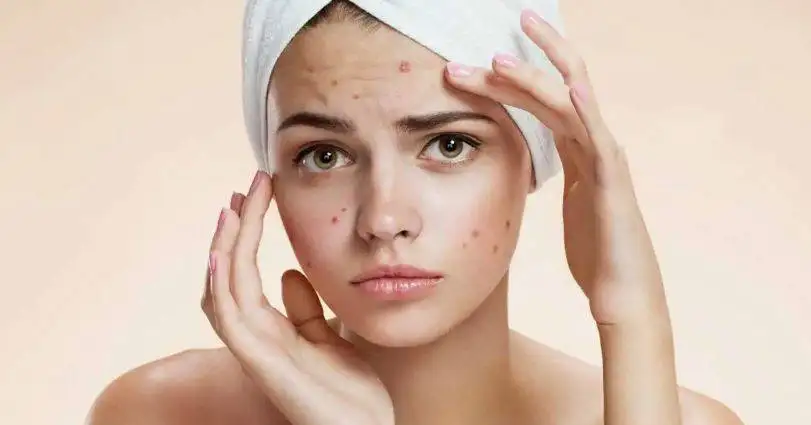
Acne is among the most prevalent skin conditions in the United States, affecting over 50 million people every year. Whether it’s whiteheads, blackheads, or painful cysts, accurate documentation is essential for clinical success. For healthcare providers, using the correct ICD 10 acne codes is not just about records—it’s about ensuring seamless reimbursement and precise patient care.
Common ICD 10 Codes for Acne Diagnosis
To capture the specific nature of a patient’s condition, you must use the most relevant acne icd 10 code. Below is a quick reference table for common diagnoses:
| Diagnosis Description | ICD-10 Code |
| Acne Vulgaris (Common Acne) | L70.0 |
| Acne Conglobata | L70.1 |
| Acne Varioliformis | L70.2 |
| Tropical Acne | L70.3 |
| Infantile/Childhood Acne | L70.4 |
| Acne Excoriée (Skin Picking) | L70.5 |
| Other Acne (Includes Hormonal Acne) | L70.8 |
| Acne, Unspecified | L70.9 |
Pro Tip: When billing for facial acne icd 10 or localized breakouts, ensure the primary code (L70.0) is supported by detailed clinical notes regarding the site and severity.
1. Deep Dive: ICD 10 Code for Acne Vulgaris (L70.0)
The icd 10 code for acne vulgaris is the most frequently utilized code in dermatology. Acne vulgaris icd 10 refers to the common inflammatory skin condition involving sebaceous glands.
Symptoms: Includes blackheads, whiteheads, and pustules.
Causes: Excessive sebum production, dead skin cell buildup, and bacterial growth (C. acnes).
Billing Accuracy: Using icd 10 acne vulgaris (L70.0) helps insurers understand the complexity of the case, especially when moving from topical treatments to oral antibiotics or isotretinoin.
2. Coding for Hormonal and Facial Breakouts
Many practitioners look for a specific hormonal acne icd 10 code. While there isn’t a single “hormonal” code, it is typically categorized under L70.8 (Other acne) or L70.0, depending on the clinical presentation. Similarly, for facial acne icd 10, the diagnosis usually defaults to L70.0 unless specified otherwise by the dermatologist.
If the documentation is unclear or the specific type isn’t identified, the icd 10 code for acne unspecified is L70.9. However, to avoid claim denials, specific coding is always preferred.
3. Why Precise ICD-10 Coding Matters
In the world of medical billing, “specificity is king.” Whether you are looking for kode icd 10 acne vulgaris or managing complex cystic cases, accurate coding ensures:
Faster Reimbursement: Reduced “back-and-forth” with insurance companies.
Better Data Tracking: Helps in analyzing the prevalence of skin conditions.
Improved Patient Outcomes: Proper coding leads to a more structured treatment plan, especially for severe cases that may cause scarring or hyperpigmentation.
4. Professional Management and Billing Solutions
Managing acne vulgaris icd10 codes and inflammatory skin disorder billing can be complex. If your practice is struggling with claim denials or slow processing, it may be time to consult experts.
The Medicators offers specialized dermatology medical billing services. Our AAPC-certified specialists ensure that every icd 10 code for acne vulgaris is applied accurately, helping you focus on patient care while we handle the revenue cycle management.
FAQs
What is the most common icd 10 acne code?
The most common code is L70.0 for Acne Vulgaris.
What is the icd 10 code for acne unspecified?
The code for unspecified acne is L70.9.
Is there a specific code for childhood acne?
Yes, for childhood or infantile cases, use code L70.4.